.png)



Paint is one of the most common types of finish used on the exterior and interiors of
buildings. Here’s a brief overview of the different types of paint finishes. This is the first
of two articles.
Flat/Matte Finish: Good for use on Ceilings and in low traffic areas
Flat and matte finishes have no shine (they’re non-reflective). More of the pigment is visible once the paint is applied to a surface. Because they are non-reflective, this type
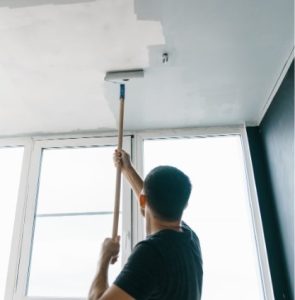
of finish will absorb light and so are good for covering up imperfections such as bumps, scratches, or rough spots. They are the hardest to clean so don’t use them in high-traffic areas. Best for ceilings and low-traffic areas with lots of light like an office, or a formal living room.
Eggshell Finish: Good for use in Living rooms and bedrooms
This is a popular finish that is a good middle ground between flat and glossy options. It is not shiny but not totally matte. It has more sheen than a flat/matte finish, making it
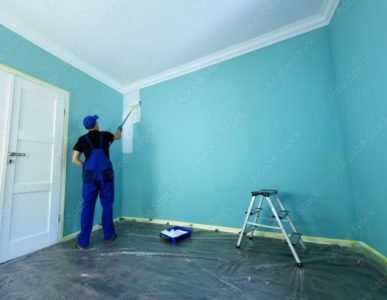
more durable, and it’s easier to clean than flat. It’s not as high-shine as semi-gloss, so it won’t show bumps/flaws in your surface as easily. Eggshell finishes offer an almost velvety look, making them ideal for beautiful bedrooms and living spaces.
Satin Finish: Good for use in Hallways and Kids’ Spaces
Satin finish may be the best all-round type of paint finish when it comes to durability. It is in the middle of the sheen spectrum. It is more light reflecting than eggshell without appearing as shiny as semi-gloss. Compared to eggshell, it is glossier yet hides
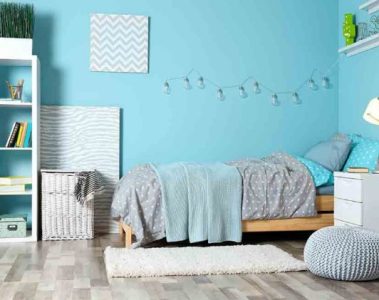
imperfections, while offering more stain resistance and ease of maintenance. It is good for areas where there tends to be more wear and tear, and also humid places like bathrooms, or dark rooms that do not get a lot of natural light – like basements. Just as with eggshell and semi-gloss finishes, be sure you take the time to clean and prep surfaces before application.
Semi-Gloss Finish: Good for use in Kitchens and Bathrooms
Shinier than a satin finish, semi-gloss is known for its radiance. It pairs well when used with other finishes and used as an accent. It is durable and easily cleaned, and so is good for use in high-traffic, high moisture areas that require regular cleaning, such as a
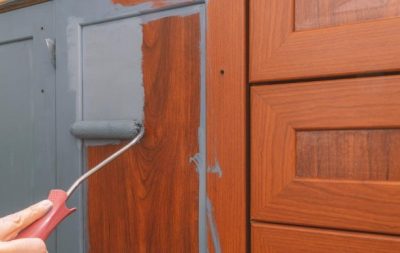
kitchen or bathroom, or on crown moldings and trims to make them pop. It does show imperfections because of its high sheen and so it is important to prep surfaces well, because the sheen can act like a highlighter for any flaws.
High Gloss Finish: Good for use on Furniture, Trims and Accents
A high gloss paint finish is super light-reflective and statement making. It is the most durable, and easiest to clean. But it is the least forgiving of the popular paint finishes as it shows imperfections easily. It works best for accents that you really want to stand out such as furniture, doors, or cabinets, or small areas. Avoid using this paint finish for large areas unless you are really looking to make a statement. It can be tricky to apply, so clean and prep your surfaces carefully before application. If applied well – and this
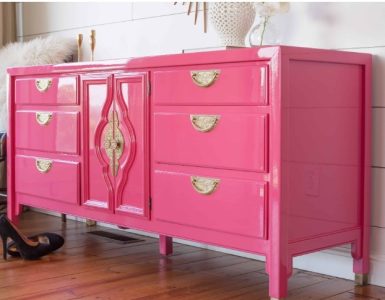
may be a job for a professional painter – the sheen in this finish can create stunning looks that highlights everything it touches.
Eco-friendly Zero/Low VOC Paints
In order to optimize good indoor air quality (IAQ), use paints that are zero or low VOC (volatile organic compound) paints. VOCs are chemical contaminants produced by the off gassing of the materials and finishes (such as paints) used in a building. VOCs

reduce indoor air quality which may result in the buildings’ occupants developing health issues such as breathing problems, and allergies. VOCs can vary based on sheen levels; high sheen and /or high pigment paints tend to have higher levels of VOCs. Latex or water based paints can be zero or low VOC. Not all oil based/high sheen paints offer low VOC options.
Sources:
https://www.housebeautiful.com/home-remodeling/interior-designers/a26623589/types-of-pain-finishes/
https://www.mysynchrony.com/blog/home-improvement/home-improvement-101-paint-finishes.html